
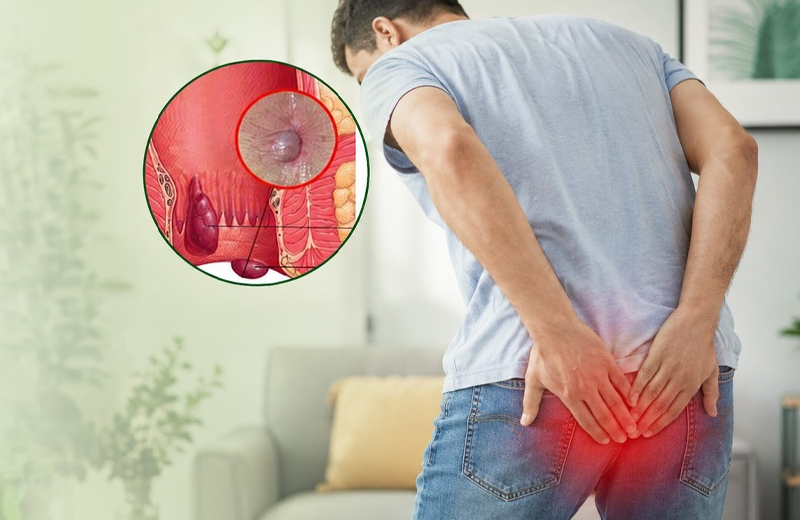
Piles, also known as hemorrhoids, are swollen blood vessels around the anus or lower rectum. With proper diagnosis and timely treatment, symptoms can be effectively managed and long-term relief can be achieved.
Piles are swollen and inflamed veins in the lower rectum or around the anus. They may develop due to increased pressure in these blood vessels and can cause discomfort, bleeding, itching or swelling.
Piles can develop due to increased pressure on the veins in the lower rectum and anus. Common causes include constipation, prolonged sitting on the toilet, straining during bowel movements and low-fibre diets.
Diagnosis usually begins with a medical history and physical examination. Depending on the symptoms, your doctor may recommend additional examinations to determine the type and severity of piles.
Consult a doctor if you experience persistent rectal bleeding, severe pain, recurring symptoms, or swelling around the anus. Early evaluation can help identify the cause and determine the most suitable treatment.
Treatment depends on the type and severity of piles. Depending on the condition, your doctor may recommend lifestyle changes, medications, minimally invasive procedures or surgical treatment.