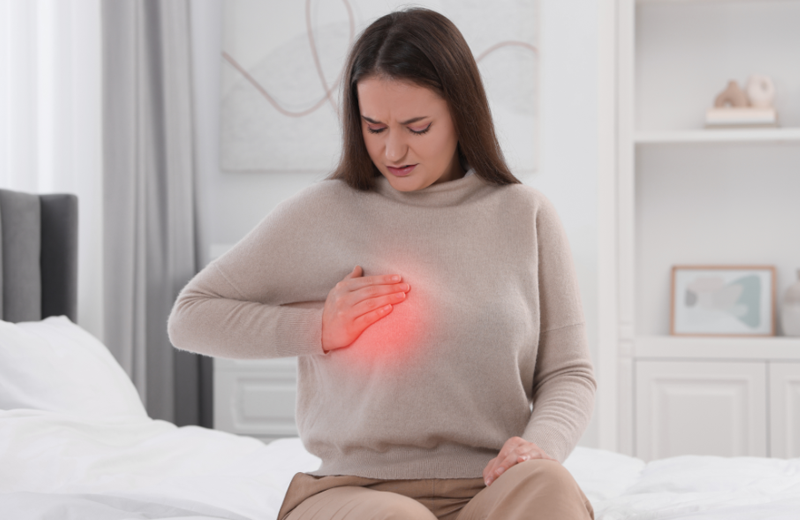
Breast disorders include a wide range of conditions affecting the breast tissue, ranging from benign lumps and cysts to infections and other abnormalities. Early evaluation and appropriate diagnosis can help ensure timely and effective treatment.
Breast disorders are conditions that can affect the structure, appearance, or function of the breast. They may include breast lumps, cysts, fibroadenomas, infections such as mastitis, nipple problems, and other benign or abnormal changes. Most breast changes are not cancerous, but any new or unusual change should be evaluated by a qualified doctor.
Common symptoms and signs of breast disorders may include:
Breast disorders can develop due to hormonal changes, blocked breast ducts, infections, benign growths, cyst formation, injury, or changes in breast tissue. Some breast changes may occur naturally with age or during periods such as pregnancy and breastfeeding.
Changes in hormone levels may cause breast tenderness, cysts, or other changes.
A family history of certain breast conditions may increase the risk of some disorders.
The likelihood of certain breast conditions can change with increasing age.
A history of certain breast lumps or other breast problems may require closer monitoring.
Diagnosis begins with a detailed medical history and clinical breast examination. Depending on the symptoms and findings, your doctor may recommend imaging tests such as breast ultrasound or mammography. In some cases, additional imaging or a biopsy may be advised to determine the exact nature of a breast lump or abnormality.
You should consult a doctor if you notice a new breast lump, persistent breast pain, unexplained changes in breast size or shape, nipple discharge, nipple inversion, skin dimpling, redness, swelling, or any breast change that is unusual or does not go away. Early evaluation is important for identifying the cause and planning appropriate care.
Treatment depends on the type of breast disorder, its cause, symptoms, and diagnostic findings. Options may include observation, medications, drainage of certain cysts or infections, or surgical treatment when required.