
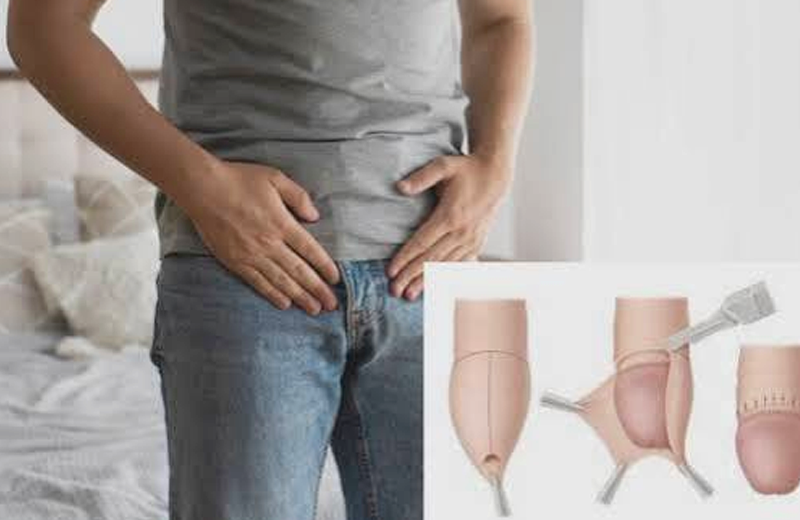
Circumcision is a surgical procedure to remove the foreskin covering the head of the penis. It may be performed for medical, cultural or personal reasons. When medically indicated, proper evaluation and surgical care can help improve comfort and address foreskin-related problems.
Circumcision is a surgical procedure in which the foreskin, the fold of skin covering the head of the penis, is removed. It may be recommended in certain medical conditions involving the foreskin, such as recurrent infections, difficulty retracting the foreskin or other persistent problems.
Circumcision may be considered when medical conditions affect the foreskin or cause repeated discomfort and infection. Common reasons include phimosis, recurrent balanitis, persistent foreskin infections, scarring or difficulty retracting the foreskin. In some cases, circumcision may also be performed for cultural or personal reasons.
Evaluation usually begins with a medical history and physical examination of the penis and foreskin. Your doctor will assess the ability to retract the foreskin, look for signs of infection, inflammation or scarring, and determine whether circumcision or another treatment option is appropriate.
Consult a doctor if you experience persistent foreskin tightness, repeated infections, pain, swelling, difficulty urinating or problems retracting the foreskin. Prompt medical evaluation is particularly important if the foreskin becomes stuck behind the head of the penis or if there is severe pain or swelling.
Treatment depends on the underlying foreskin condition, its severity and the patient's individual needs. Depending on the condition, your doctor may recommend conservative treatment, medications or surgical circumcision when other approaches are not suitable or when a definitive solution is required.