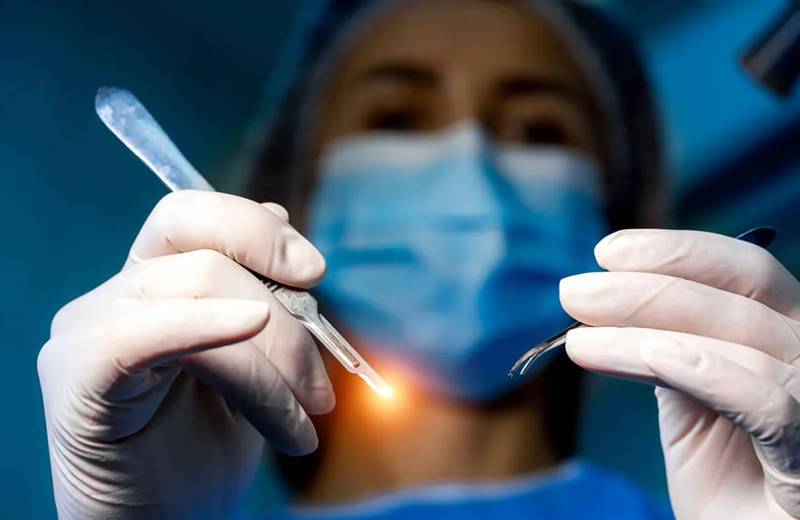
Laser surgery uses focused laser energy to treat selected medical conditions with precision. Depending on the condition, laser techniques may help reduce tissue trauma, bleeding, discomfort, and recovery time compared with some conventional procedures.
Laser surgery is a minimally invasive surgical technique that uses concentrated laser energy to cut, remove, vaporize, or treat targeted tissue. It may be used for selected conditions in areas such as general surgery, proctology, urology, and other specialties, depending on the patient's diagnosis and suitability.
Laser-based procedures may be considered for selected conditions such as:
The suitability of laser treatment depends on the type, severity, location, and overall health of the patient.
During a laser procedure, a specialized laser device delivers controlled energy to the targeted area. The surgeon carefully directs the laser to treat the affected tissue while minimizing unnecessary damage to surrounding tissues. The exact technique, anesthesia, and procedure time depend on the condition being treated.
Laser energy can be precisely directed toward the targeted tissue.
Some laser procedures involve smaller treatment areas and less tissue disruption.
Laser energy can help seal small blood vessels during certain procedures.
Selected procedures may allow patients to return to routine activities sooner.
Before recommending laser surgery, the doctor evaluates the patient's symptoms, medical history, physical examination findings, and the nature of the condition. Additional tests or imaging may be advised when required. The surgeon then determines whether laser treatment or another surgical approach is the most appropriate option.
Laser surgery may be considered when a diagnosed condition can be effectively treated using a laser-based technique. You should consult a qualified surgeon if you have persistent symptoms, recurrent problems, or a condition that may require a surgical procedure. Your doctor can explain whether laser surgery is suitable for your specific case.
The type of laser procedure depends on the condition being treated. After a proper evaluation, your surgeon will recommend the most suitable technique based on your individual needs.