
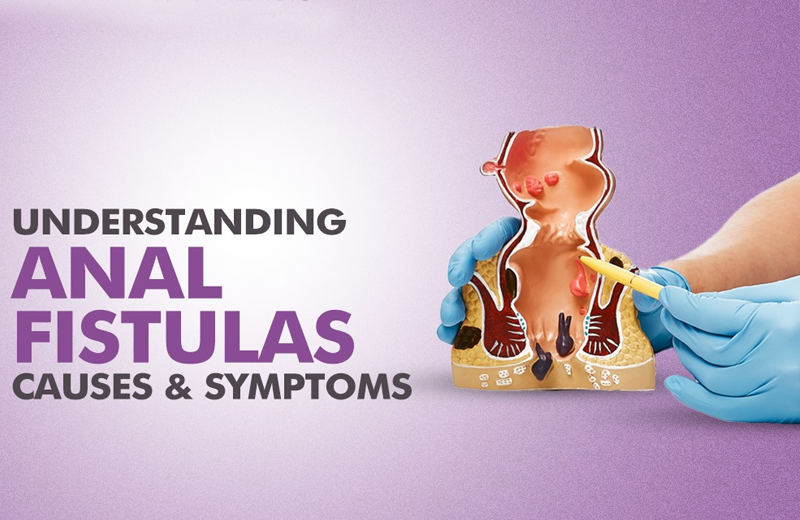
An anal fistula is an abnormal tunnel that develops between the inside of the anus or rectum and the skin around the anus. Proper diagnosis and timely treatment can help manage symptoms and prevent complications or recurrence.
An anal fistula is an abnormal passage or tunnel that connects the anal canal or rectum to the skin near the anus. It commonly develops following an infection or abscess around the anus and may cause persistent discharge, irritation or discomfort.
An anal fistula most commonly develops after an infection causes an abscess near the anus. When an abscess does not heal completely, an abnormal tract may form between the infected area and the skin. Other conditions affecting the anal or intestinal region may also contribute to fistula formation.
Diagnosis usually involves a detailed medical history and physical examination of the anal region. Depending on the location and complexity of the fistula, your doctor may recommend additional examinations or imaging tests to identify the fistula tract and plan appropriate treatment.
Consult a doctor if you experience persistent pain, swelling, pus or blood-like discharge around the anus, a recurring lump, or repeated anal abscesses. Early evaluation can help determine the extent of the fistula and allow timely treatment.
Treatment depends on the location, complexity and severity of the fistula. Depending on the condition, your doctor may recommend drainage of an abscess, minimally invasive procedures or surgical treatment to address the fistula tract and reduce the risk of recurrence.